
The Vibrant Mosaic of Indian Culture
Exploring the rich tapestry of Indian culture reveals a vibrant blend of ancient traditions, religions, art, languages, and cuisine that have evolved over millennia. Indian culture reflects profound diversity and unity, shaped by history and interactions with various peoples and faiths.
Interwoven Faiths: Religious Harmony in India
Hinduism, Islam, Christianity, Sikhism, Buddhism, each in India are distinct religions with fundamental differences, but they also share several cultural similarities due to centuries of coexistence and interaction.
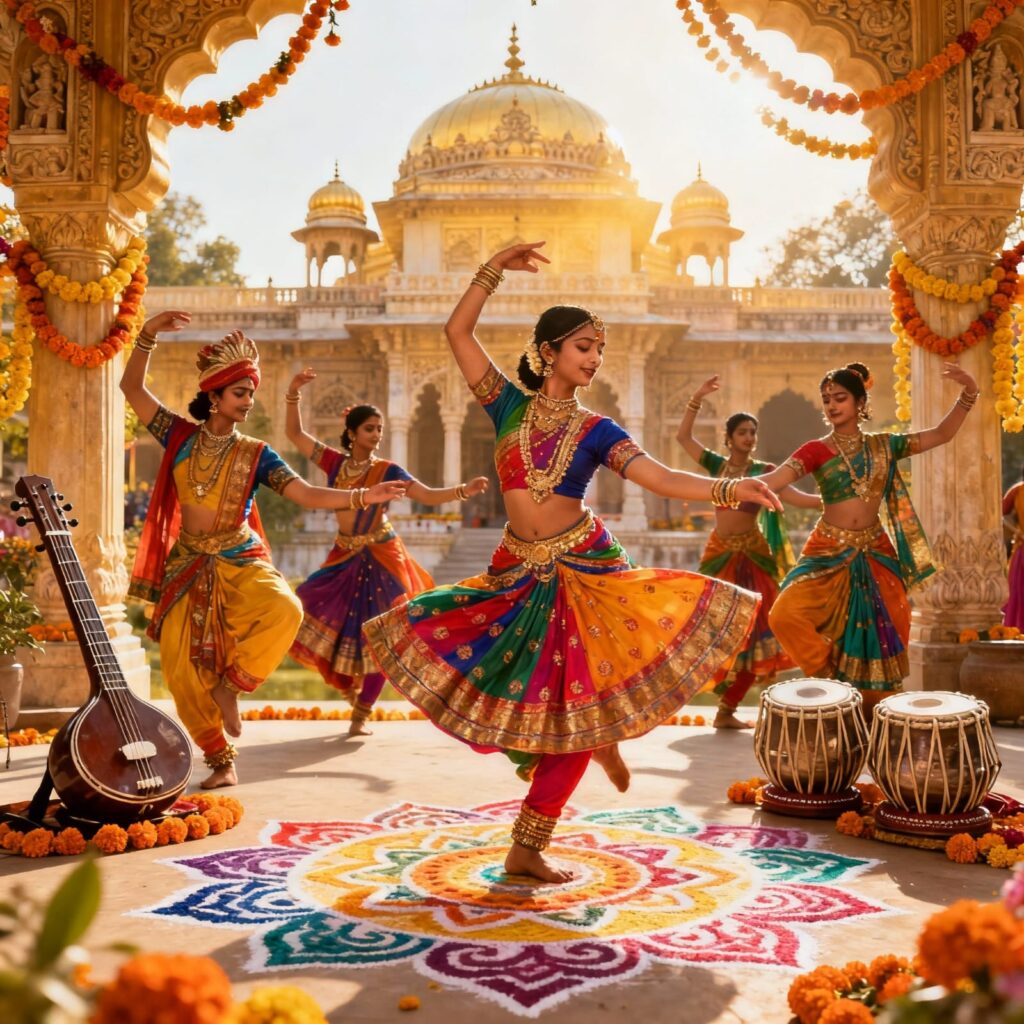
Religious Diversity: The Spiritual Heart of India
India is home to a diverse array of religious traditions which shape its vibrant cultural landscape. The major religions in India include Hinduism, Islam, Christianity, Sikhism, Buddhism, and Jainism, each contributing uniquely to Indian culture. Hinduism, practiced by about 80% of Indians, is not just a religion but a way of life with diverse traditions, festivals like Diwali and Holi, and temples that are spread across the country. Islam, the second largest religion with around 14% followers, has influenced Indian culture profoundly with its architecture, festivals like Eid, and rich traditions.
What is Indian culture ?
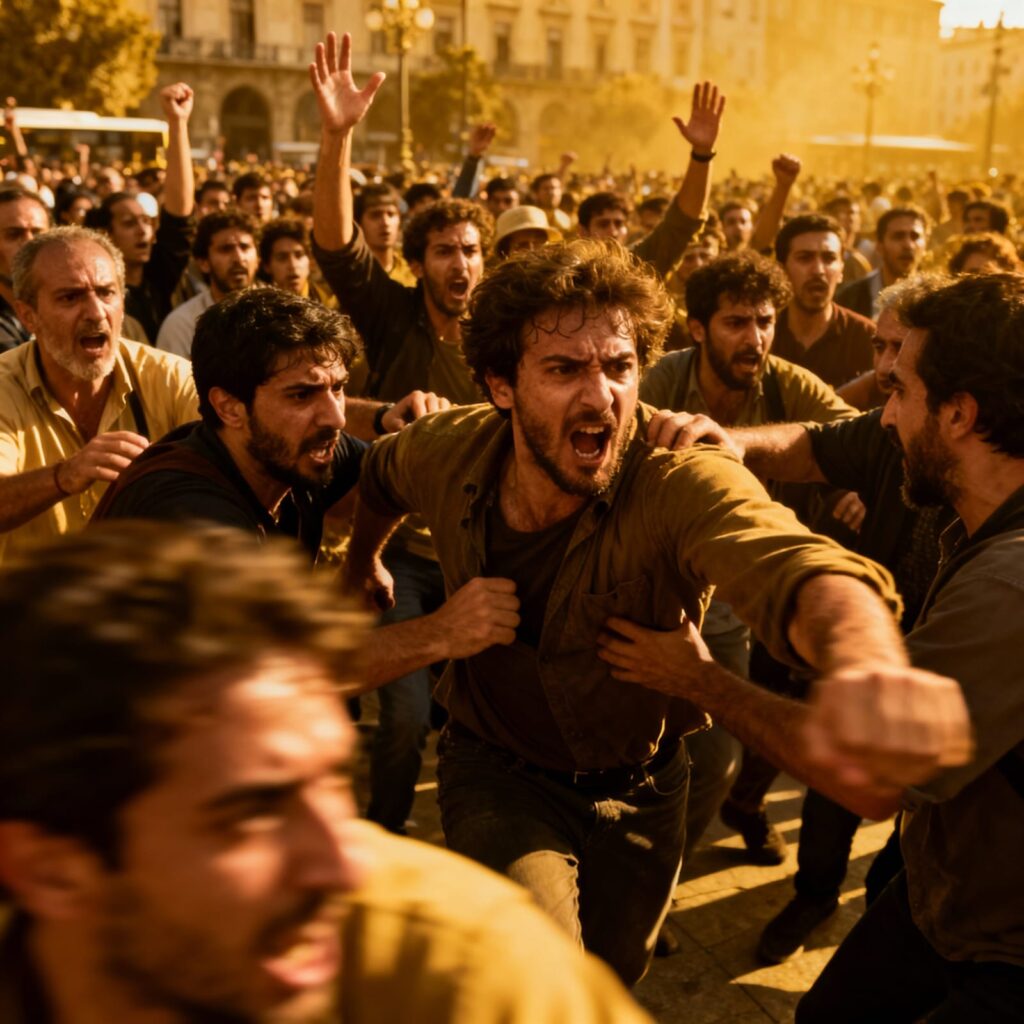
- Indian culture does not mean only Hindutva. Indian culture means respecting all religions. Out of that respect, there are some Indian people of a certain religion (I will not mention the name) who feel ashamed to say ‘Bharat mata ki jai.’ I don’t know why they feel ashamed. But Mother India is not just the mother of Hindus, she is the mother of everyone, because everyone is born from their mother’s womb, and their mothers too were born in this land of India. So, Mother India is the mother of all. Shame on those Indians who deny this.
There are some political leaders in this area who spread riots in the name of Hindutva. They can do anything just to get votes.